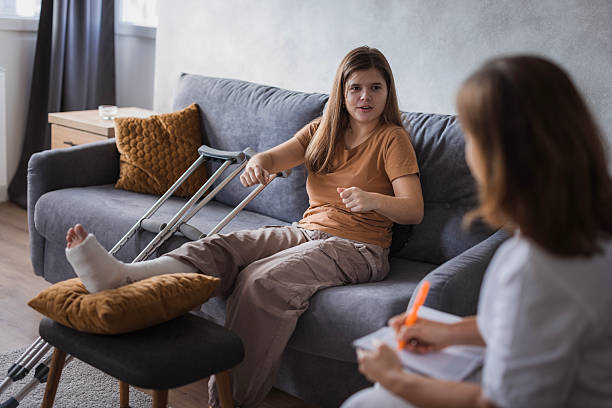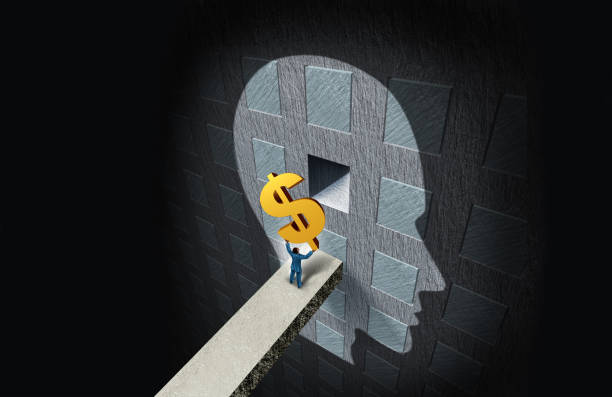
Nobody books a psychologist because they got annoyed at the traffic. People book because they frightened someone they love, or themselves. Because a partner said “I’m not doing this anymore”. Because a kid flinched. Because the thing at work that should have been a conversation became a disciplinary meeting.
Anger is the emotion people are most ashamed to bring into the room, and the one that responds best to treatment once they do. So let’s talk about it straight.
Anger is a normal emotion with a job: it tells you something matters and something is wrong. Feeling it isn’t a character flaw. The problem is what happens when it arrives too fast, too big, too often, or comes out in ways that hurt people and cost you things.
So the question isn’t “am I an angry person”. It’s “is my anger costing me more than it’s giving me”.
Any of these, honestly answered, is a reason to talk to someone:
If you’ve hurt or threatened a partner or family member, there’s a line here I’ll be plain about: that’s family violence, help exists for it specifically, and seeking it is the right thing to do. 1800RESPECT (1800 737 732) is 24 hours. We can still work with you; the safety of the people around you comes first.
In the clinic, anger is almost never the whole story. It’s the visible part of something else:
This is why generic “anger management” tips often don’t stick. Counting to ten doesn’t do much if the real issue is untreated PTSD.
First, we work out what the anger is doing. When it fires, what sets it off, what happens in your body in the seconds before, what you think in the moment, what happens after. Most people have never looked at it that closely and are surprised how predictable it is.
Then we work on the gap. Between trigger and reaction there’s a gap, and for people with anger problems it’s about a quarter of a second. Treatment widens it. Specific, practical skills for catching the early body signals, getting the nervous system down fast, and choosing what to do next. These are learnable and they work, usually within a few weeks of practising them.
Then the thinking. The beliefs that turn a small thing into a big one: “they’re doing it on purpose”, “I’m being disrespected”, “if I don’t react I’m weak”. CBT is built for this and it’s the backbone of most anger work.
Then what’s underneath. If it’s trauma, we treat the trauma, often with EMDR. If it’s depression or anxiety, we treat that. The anger tends to drop as a side effect.
And repair. How to go back to the people you’ve hurt, how to have the conversation without it becoming another fight, how to rebuild trust that’s been worn down. For a lot of people this is the part that matters most.
Most people see real change in six to ten sessions. Longer if there’s trauma underneath. Our anger guide has some of the early skills you can start on now.
Yes. Anger that’s affecting your life is usually connected to a condition a GP can write a mental health care plan for: anxiety, depression, adjustment, PTSD. Talk to your GP honestly and you’ll usually get one.
We can see people who’ve been referred that way. Be aware that a formal “anger management program” with a certificate is a different product from therapy, and some courts specify one. Ask us before you book and we’ll tell you if we’re the right fit.
If it’s affecting your relationships or your own peace, yes. You don’t have to wait until it’s a crisis. The snappy version is much quicker to treat.
You can come in yourself. Working out what’s yours to carry and how to stay safe and sane is real work, and it doesn’t require the other person to agree.
The gap between “I should probably do something about this” and the next blow-up is where people get hurt. Book a session by telehealth or at St Marys or Sydney CBD. You don’t have to explain it well on the phone. Just say it’s about anger.

Nick Formosa is the Principal Clinical Psychologist at Elevated Minds Psychology. He sees clients in St Marys, Sydney CBD and by telehealth.
If you or someone else is in immediate danger, call 000. For family violence support, 1800RESPECT on 1800 737 732. For crisis support, Lifeline on 13 11 14.